All Categories
Featured
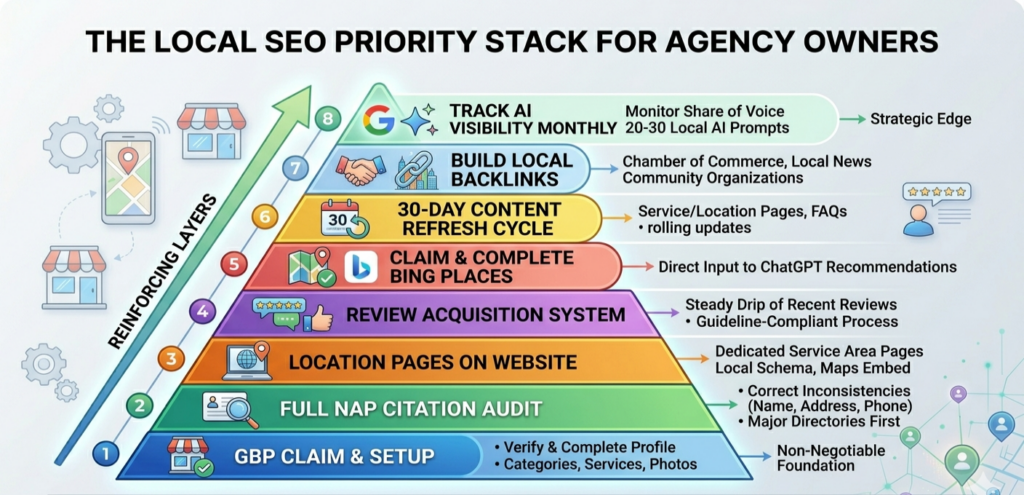

Capturing More Hyper-Local Search Traffic
Table of Contents
They're entities and subtopics that signal topical depth Build Material That Shows Real Expertise and Trust Google's E-E-A-T structure (Experience, Know-how, Authoritativeness, Trustworthiness) is main to how content quality is evaluated in 2026, particularly for YMYL (Your Money, Your Life) topics like health, financing, and legal recommendations. Experience Has the author in fact done what they're writing about? First-hand experience signals original pictures, case studies, individual anecdotes powerfully separate your content from generic AI-generated text.
Authoritativeness Is your website acknowledged as a trusted source by others? Develop authority through quality backlinks, industry citations, brand discusses, and constant publishing on your core subject. Reliability Is your site safe and transparent? Use HTTPS, include clear author bios, mention reputable sources, preserve precise contact details, and keep material approximately date.
They're your page's table of contents for both humans and AI.
Regularly Update Content to Preserve Ranking Position Material freshness is a significant ranking aspect for time-sensitive queries. Content Refresh Checklist? Examine that the page still matches the dominant search intent for the target keyword Phase 4: Links, Media & UX Develop the Internal Architecture That Moves Rankings Construct a Strategic Internal Link Network Internal links are how Google finds, indexes, and comprehends the relationship in between your pages.
What's New in 2026 Search Engine Rankings
Internal Linking Best Practices? Use detailed anchor text: Connect text like "on-page SEO list" is far more beneficial than "click here" it tells Google exactly what the linked page has to do with? Link from high-traffic pages to crucial pages: Recognize your best-performing material and add internal links to pages you wish to rank? Repair orphan pages: Every page on your site should be linked from a minimum of one other page orphan pages hardly ever rank? Usage topic clusters: Arrange material into a hub-and-spoke model one detailed "pillar" page on a broad subject linked to and from several more in-depth "cluster" pages? Do not over-link: 35 internal links per 1,000 words is a reasonable standard.
One comprehensive pillar page (e.g., "Total SEO Guide") links to and receives links from cluster pages (e.g., "On-Page SEO," "Technical SEO," "Link Structure"). This tells Google you have deep, thorough coverage of a topic. Which is a major signal for topical authority. Link to High-Authority External Sources Strategically Connecting out to reputable external sources, initial research study, reliable publications, federal government sites, peer-reviewed journals signals to Google that your content is well-researched and trustworthy.
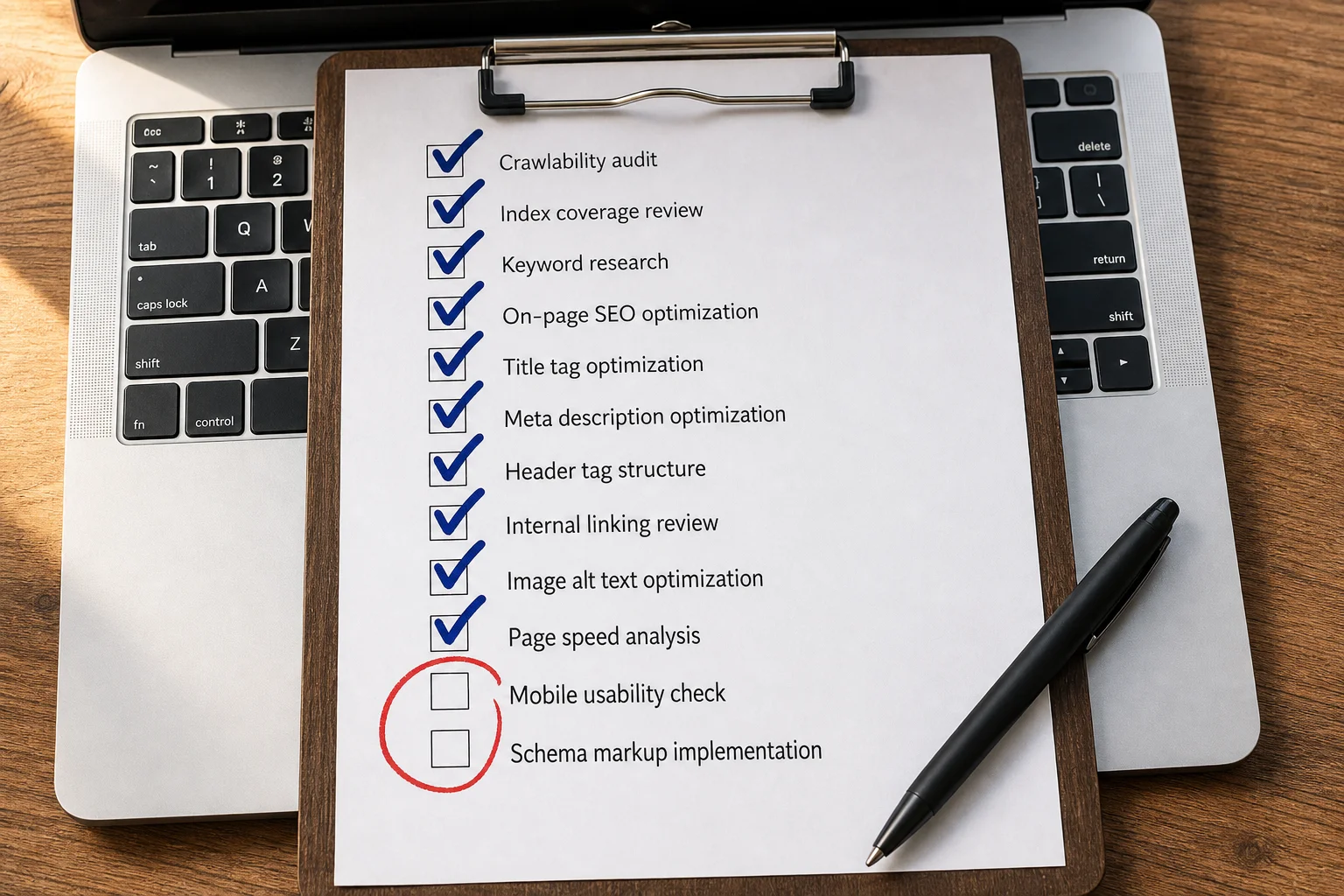
? Go for 13 high-quality outbound links per 1,000 words? Link to main sources (the original study, not a blog site post citing it)? Open external links in a new tab to reduce bounce rate? Avoid linking to competitors unless absolutely required for precision? Use rel="nofollow" for paid links or untrusted sources Make Every Image Work Harder for Your SEO Images are one of the most ignored on-page SEO chances.
Future-Proofing Local Search 2026 Strategies
Total Image Optimization List OPTIMIZATION HOW TO DO IT IMPACT File format: Use WebP or AVIF Convert JPEGs/PNGs to WebP utilizing tools like Squoosh or an image CDN High Compress before uploading Use TinyPNG, ShortPixel, or Imagify; target Phase 5: Technical On-Page Elements The Technical Layer That Powers Your Rankings Implement Structured Data to Win Rich Results Schema markup (structured data) is code added to your HTML that helps online search engine comprehend the meaning of your content, not simply the words, however the entities, relationships, and context those words represent.
Shows author, release date, and headline in search. Vital for ecommerce pages. Important for brick-and-mortar local SEO.

Latest Posts
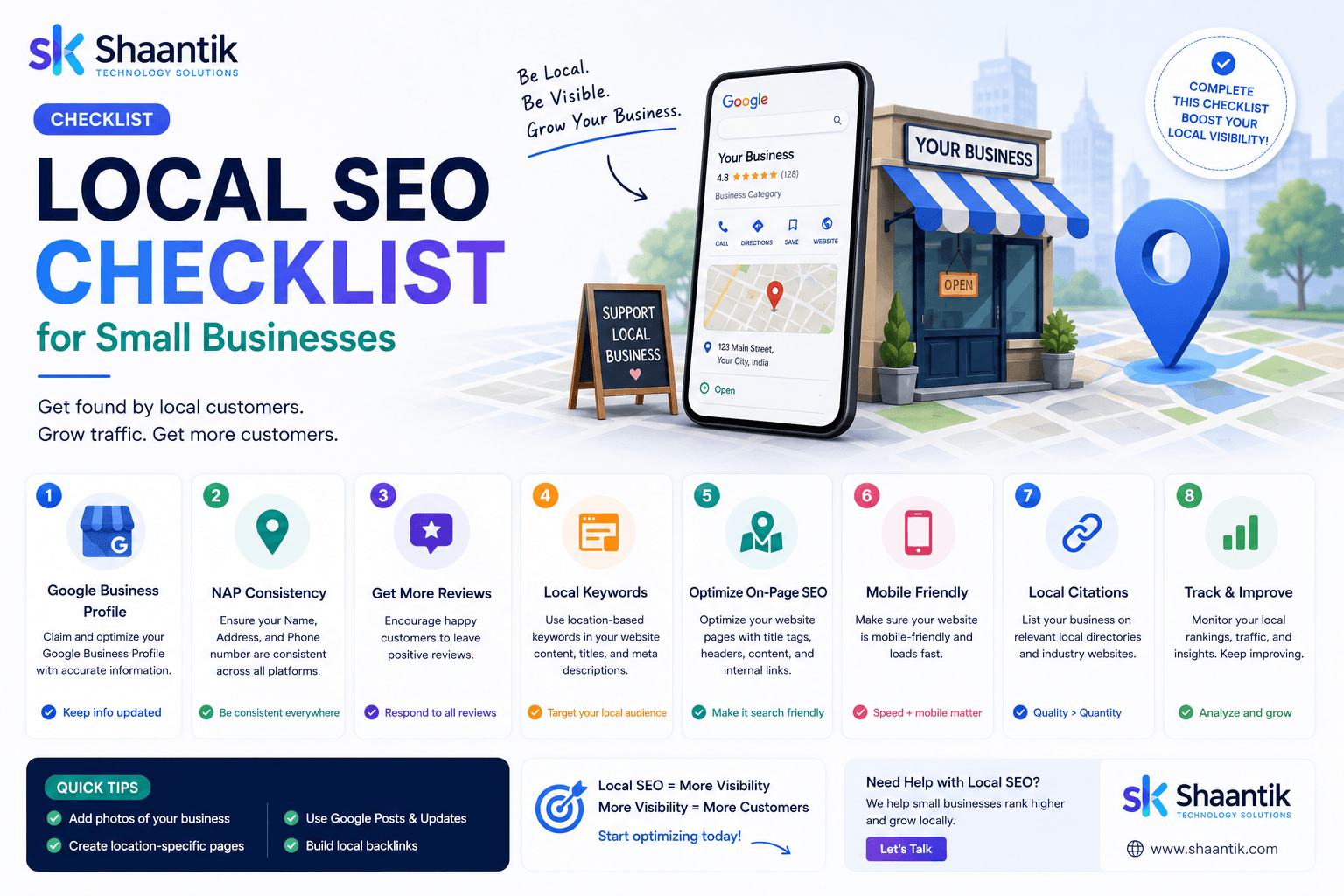
Boosting Small Business Search Presence

Attracting New Nearby Customers With SEO
Leveraging New Map Tools for Maximum ROI