All Categories
Featured
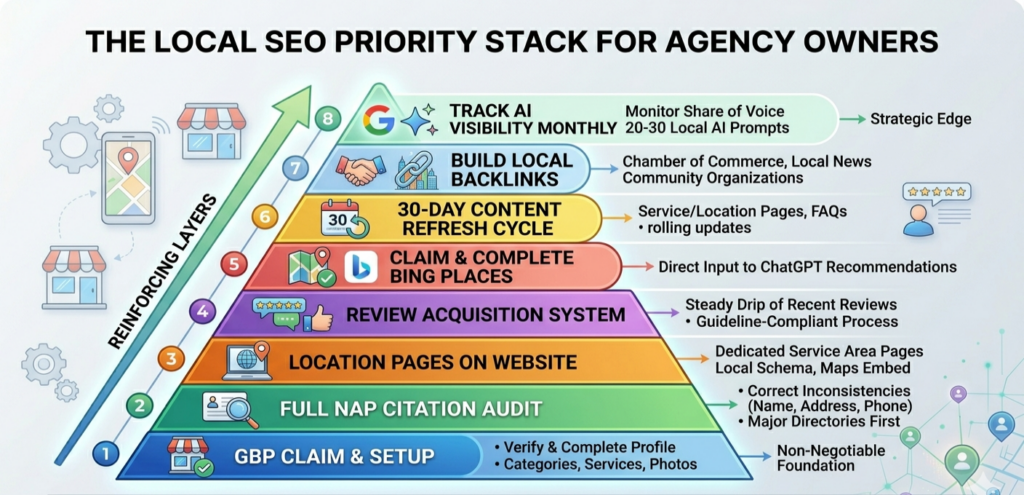
Capturing More Nearby Search Traffic
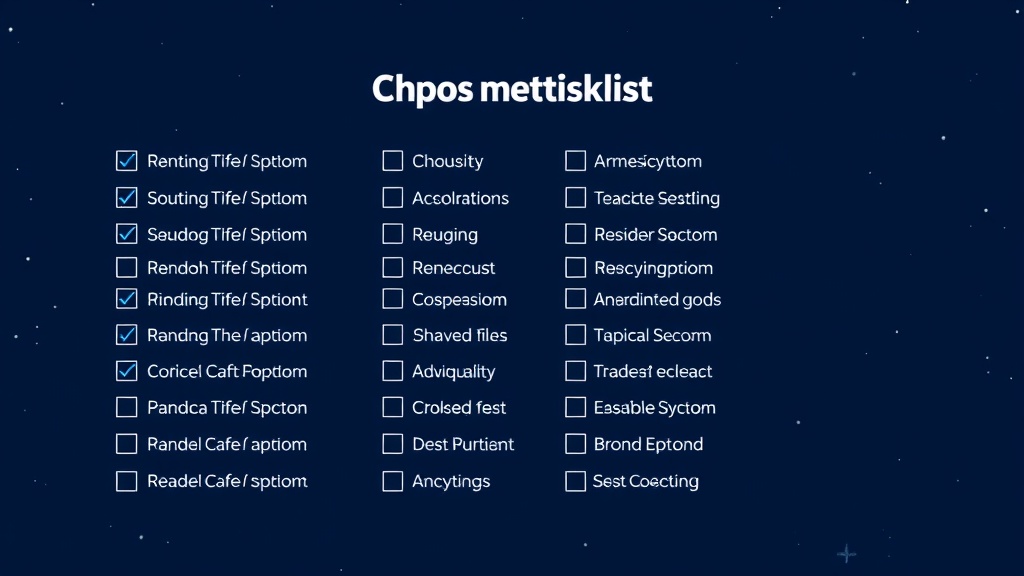
March 21, 2026 10 min read Regional SEO A useful, no-fluff checklist covering whatever you need to control local search from Google Company Profile to citations to on-page SEO. Local SEO does not have actually to be complicated. This checklist covers every major element that figures out whether your service reveals up when regional consumers search.
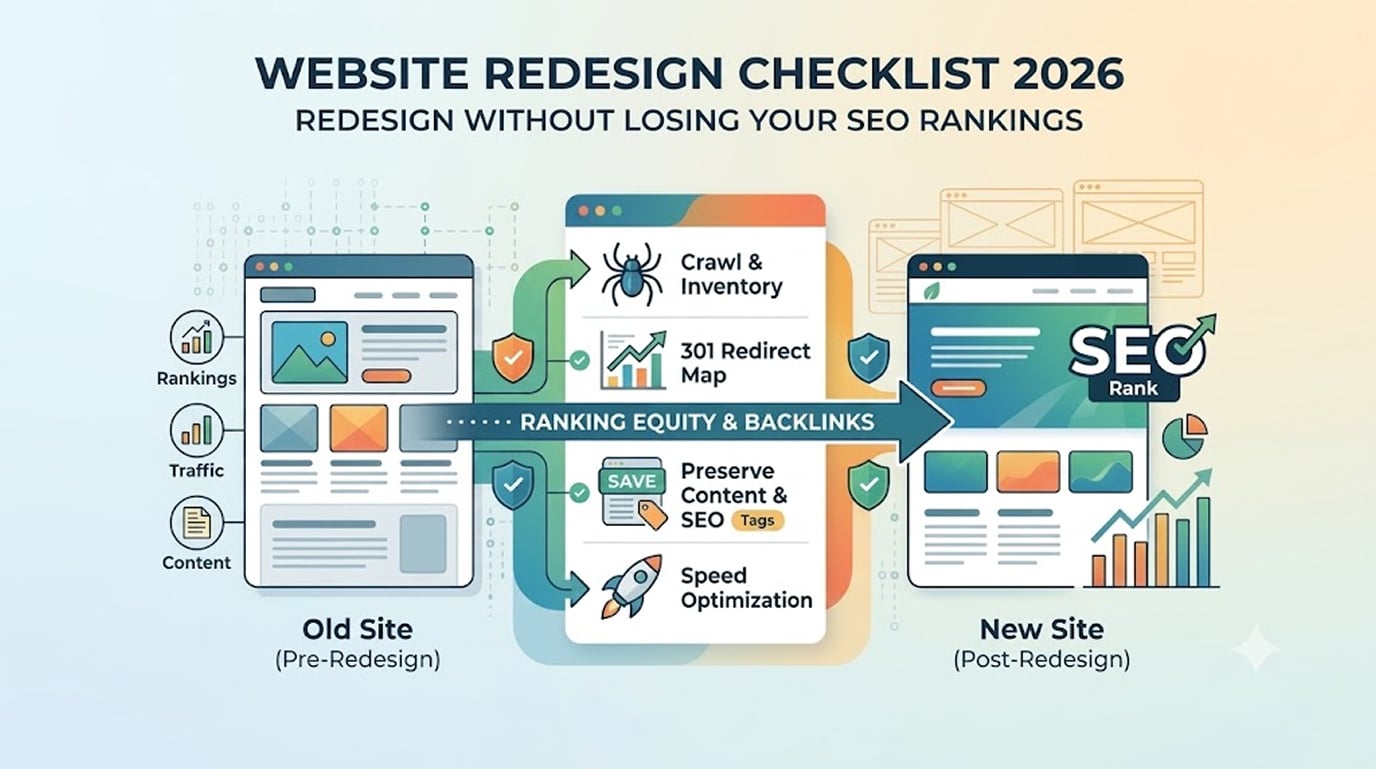
Profile is declared and verifiedBusiness name matches your real-world name precisely (no keyword stuffing)Main classification is as particular as possibleSecondary classifications are added for all services offeredBusiness description is 700+ characters with natural keyword usageService area consists of all cities and postal code you serveHours are precise and updated for holidays10+ images included (exterior, interior, team, work samples)New picture added a minimum of when per monthPosts published weekly or biweeklyAll questions in Q&An area answeredReviews responded to within 24 hoursPhone number is regional (not a tracking number as main)Site URL is proper Homepage title tag consists of primary keyword + city (e.g., 'Austin A/c Repair Work Company Name')H1 tag on homepage consists of main service + cityNAP (name, address, phone) appears in the footer of every pageMobile-responsive designPage speed score above 70 on Google PageSpeed Insights (mobile)SSL certificate set up (https://)LocalBusiness schema markup implementedDedicated service pages for each major serviceCity/area landing pages for each geographical location you serveInternal links connecting associated pagesContact page with complete address and embedded Google Map 20+ Google reviewsAverage score of 4.5 stars or higherReviews are current (at least 5 in the last 90 days)Reacting to all reviews (favorable and negative)Review demand system in place (text/email after each job)Presence on Yelp, Facebook, and industry directories Citations are online listings of your service NAP.
Audit and fix these directories: Google Service ProfileBing PlacesApple Maps (Apple Organization Connect)YelpFacebook Service PageYellow Pages ()BBB (Bbb)Angi (if relevant to your industry)Houzz (if pertinent)Industry-specific directories Blog released at least 2x per monthEach article targets a particular local keywordFAQ page addresses leading consumer questionsCase research studies or before/after job pagesSocial media profiles complete and active Do not desire to investigate this manually? Run a complimentary AI-powered scan of your organization and get a scored report on all these elements in 30 seconds.
Ranking Higher in Map Packs
Set a calendar reminder every 90 days to: inspect Google Organization Profile for accuracy, react to any unanswered reviews, update pictures, validate citations are still constant, and examine your rankings for crucial terms. If this list feels overwhelming, start with three things: claim and complete your Google Service Profile, send out review requests to your last 10 clients, and repair your homepage title tag.
SEO in 2026 is no longer about going after rankingsit's about making presence. Browse has actually fragmented across AI assistants, response engines, and zero-click results, and brand names that still treat SEO as a keyword game are silently disappearing. Exposure today is chosen by systems, not just algorithms. AI designs examine clarity, authority, structure, and usefulness before they ever consider rankings.
[target2:anchor_exact1]Modern SEO now lives at the crossway of AIO, GEO, AEO, and SXO. This means creating content that LLMs can interpret, enhancing entity signals, optimizing for direct responses and AI summaries, and providing smooth experiences that line up perfectly with user intent. Traffic alone is no longer the objective. Impact is.
The winners in 2026 won't choose between human experience and machine readabilitythey'll master both. If your strategy stops at traditional SEO, you're not simply behindyou're invisible where it matters most. The genuine question now isn't how to rank. It's how to exist any place search has actually moved next.
On-page SEO is no longer practically packing keywords into title tags and hoping Google notifications. Search has fundamentally altered. Google AI Overviews now appear on approximately 47% of all searches, and AI agents not people are progressively the very first audience reading your material. This guide provides you the complete, updated list every serious site owner, SEO expert, and content marketer requires to rank and stay ranked.
[target2:anchor_exact1]
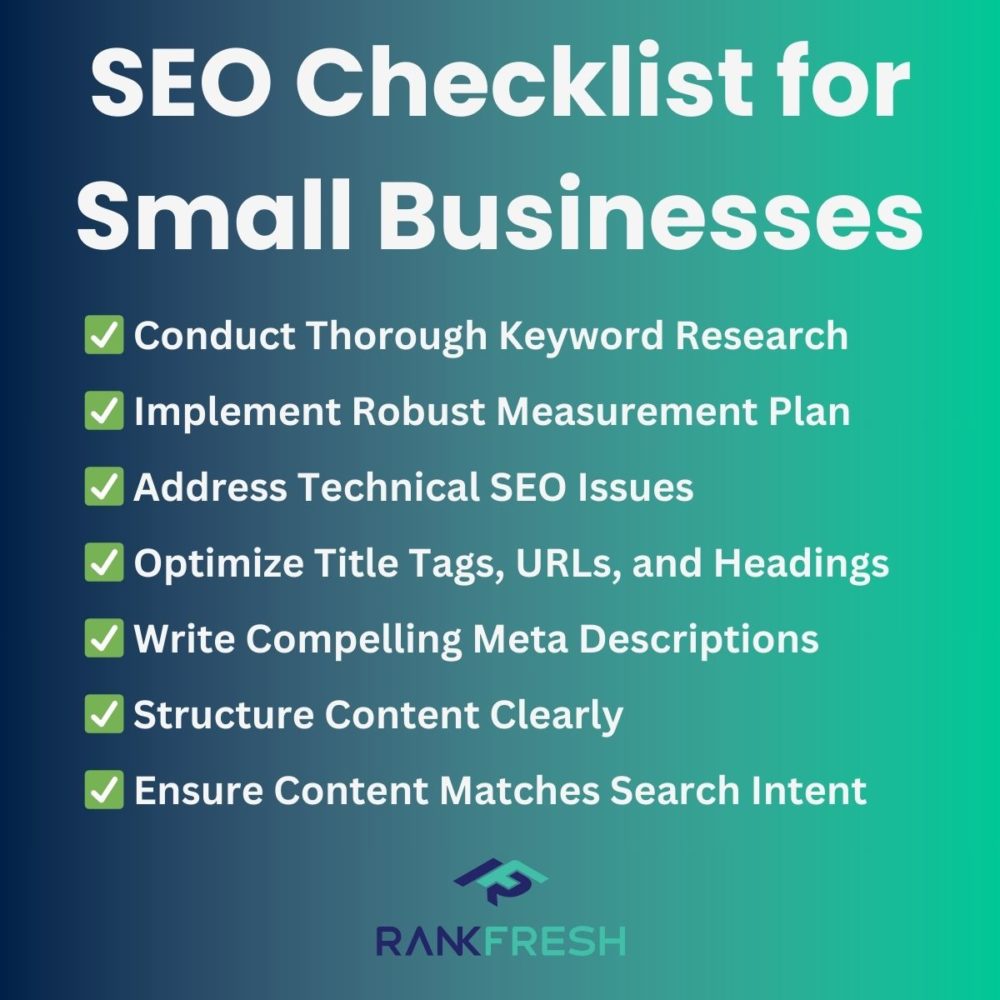
Essential Search Guide to Small Businesses
Recognize Target Keywords Line Up to Browse Intent Optimize Title Tag Compose H1 Tag Craft Meta Description Create SEO-Friendly URL Location Keywords Naturally Review E-E-A-T Signals Structure Header Tags Keep Content Fresh Build Internal Links Add External Hyperlinks Enhance All Images Implement Schema Markup Struck Core Web Vitals Mobile-First Optimization Audit Crawlability Apply GEO Techniques Build E-E-A-T for AI Establish Monitoring Lay the Foundation Before You Compose a Word Terrific on-page SEO begins before you ever open your full-screen editor.
Pick the right ones and you're halfway to the first page before you even publish. Keyword choice requires assessing three core measurements simultaneously: Browse Volume How numerous month-to-month searches does the keyword get?

Latest Posts
Boosting Small Business Search Presence

Attracting New Nearby Customers With SEO
Leveraging New Map Tools for Maximum ROI