All Categories
Featured
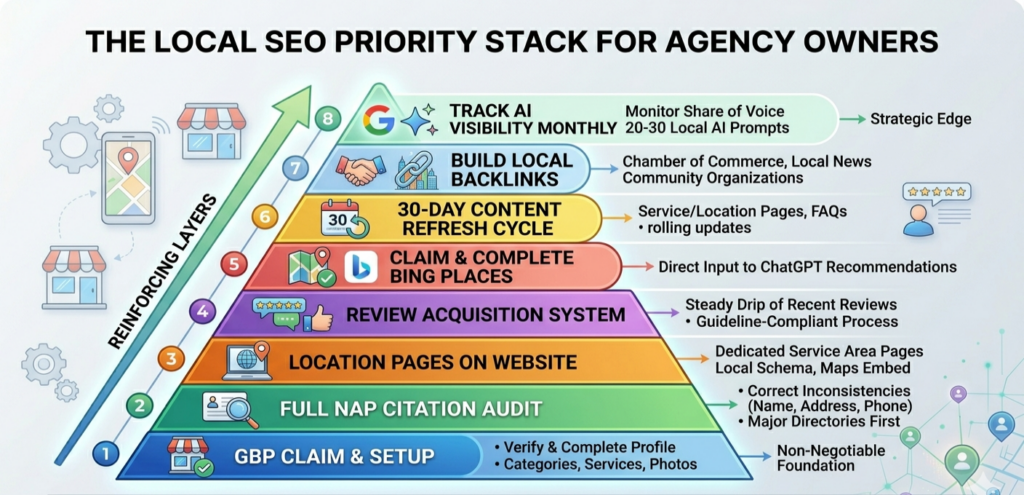
High-Impact SEO Strategies for SME Success
Table of Contents
Export your leading 20 ranking keywords from the Performance tab, search each in an incognito Maps session, record the main category of the leading 3 results, and compare to your own. An inequality on high-volume questions is the highest-leverage single edit in regional SEO. Pair this audit with our for benchmarks.
Neither extreme is. Posts do not straight move local pack position. They do raise click-through in the regional panel, occupy space that would otherwise appear a competitor, and feed freshness signals into the 2026 AI summary generator. The item and offer brochures, by contrast, have ended up being materially more crucial this year now that Google Maps pulls items into its AI answers.
Posts end after seven days but stay archived on the profile. Publish at least one per week.
Great for grand openings, seasonal trunk shows, and time-limited workshops. The event schema feeds into Google Maps event discovery and is one of the few places where structured calendar information surface areas natively inside the profile. Offer posts support a voucher code, an optional expiry date, and a specific terms-of-use field.
Mastering Search Presence in the Coming Year
Rotate offers monthly; a profile perpetually advertising the very same 15% off signals staleness to users and to the summary generator. The Products tab holds private SKUs with picture, name, price, description, and optional CTA. In 2026, Google Maps AI summaries pull straight from product entries when a user asks "does anybody neighboring sell X", making this the single most underused surface area in GBP.
Every item entry is a tiny landing page inside the profile. Posts, items, and provides now feed into the Maps put summary in addition to reviews and your profile description. Keep at least one post active at all times, revitalize the item brochure quarterly, and compose product descriptions with the specificity a summary generator can ground on active ingredients, materials, service scope, assurances.
Santa Ana Local SEOWhat has altered in 2026 is that review material now feeds 2 distinct surface areas: the timeless star-rating and bit stack, and the AI-generated summary paragraph above it. The Q&A section has actually quietly ended up being more crucial for the very same reason responses are a grounding source for AI actions. Messaging is a conversion channel that most SMBs still leave off.
Is the Business Approach Ready for 2026?
React to positive reviews briefly and particularly (discuss what the reviewer pointed out the dish, the treatment, the outcome). React to negative evaluations measured and factually, provide an offline channel, and never ever argue. Never ever copy-paste the exact same line across 5 evaluations Google's replicate detection flags it and it looks low-cost to the next customer checking out the profile.
Build the request into the operational workflow post-service SMS, email invoice footer, QR code on the counter instead of running periodic evaluation drives. Never provide rewards for evaluations; Google's policy enforcement on this is stringent and automated. Any Google user can ask and respond to questions on your profile. That means a competitor or a mistaken consumer can publish a wrong answer that sits at the top of your Q&A panel forever.
If you do not address within 24 hours consistently, Google auto-disables the Message button to secure user experience. Integrate with the Company Messages API if you run a client support platform (Intercom, Zendesk, HubSpot) otherwise path messages to a staffed channel your group actually sees.
Generic five-star evaluations like "Great service" have actually constantly been low-value. In 2026 they are likewise lost summary tokens. Ask for specifics in the request itself "What stuck out about the visit?" prompts detail, while "How was your experience?" prompts unclear. Our covers related entity and grounding ideas. Profiles with richer media get more views, more calls, and more direction requests.
Is the Local SEO Approach Ready for 2026?
The 2026 media panel surface areas a mix of owner-uploaded and customer-uploaded assets, and rewards profiles that progressively refresh the owner side. The single wide image that anchors the profile header. 1,080 x 608 pixels minimum, 16:9 ratio. Choose something evocative and branded, not a generic stock shot. Google regularly auto-rotates covers from client submits if no owner cover is set a reason to set one explicitly.
The logo is what appears next to AI-generated summaries and in the regional pack listing on desktop test how yours renders at 64 pixels square. Shoot during the organization' best-looking hour (sunset exterior, lunch-rush interior) rather than empty on a Monday morning.

Latest Posts
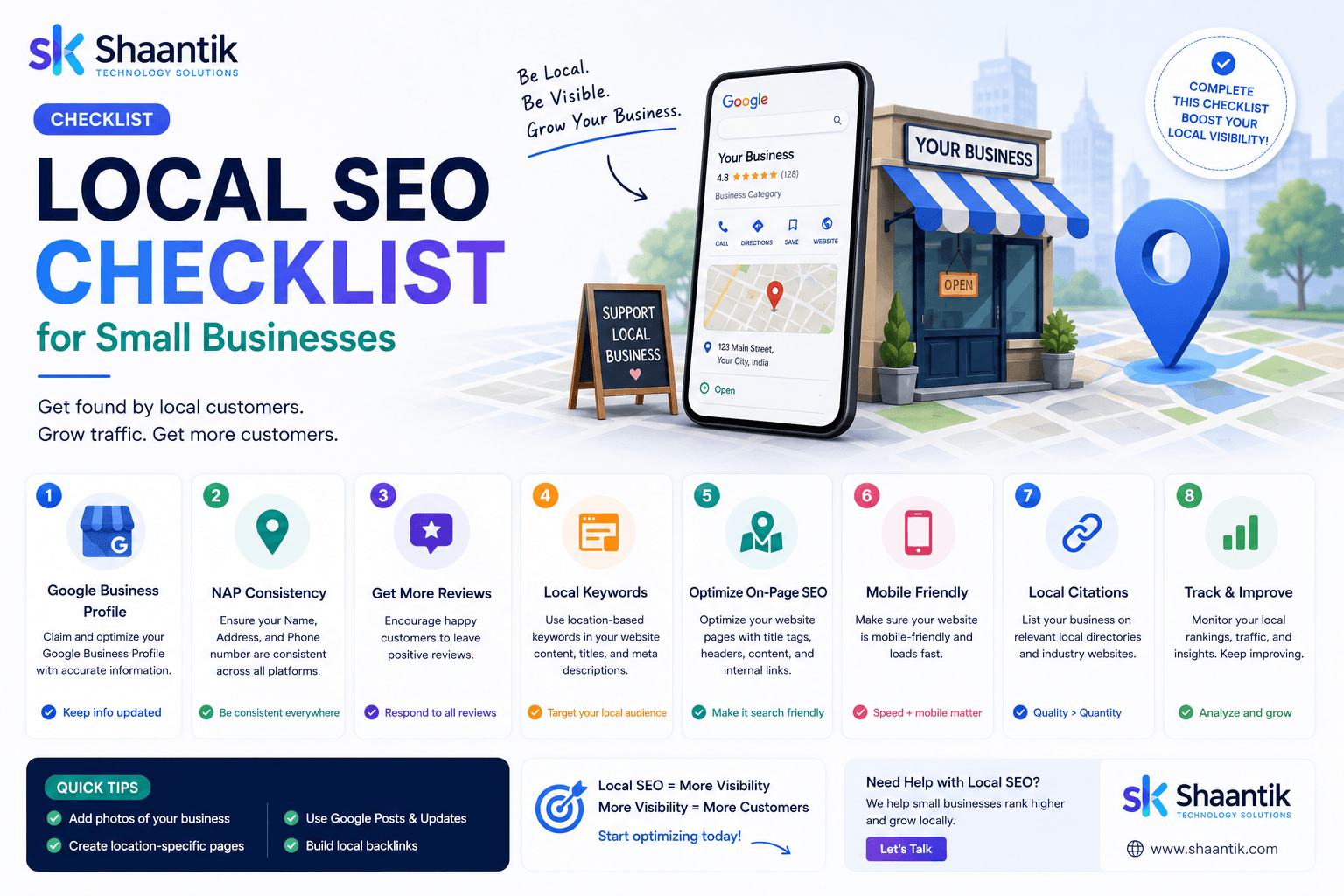
Boosting Small Business Search Presence

Attracting New Nearby Customers With SEO
Leveraging New Map Tools for Maximum ROI